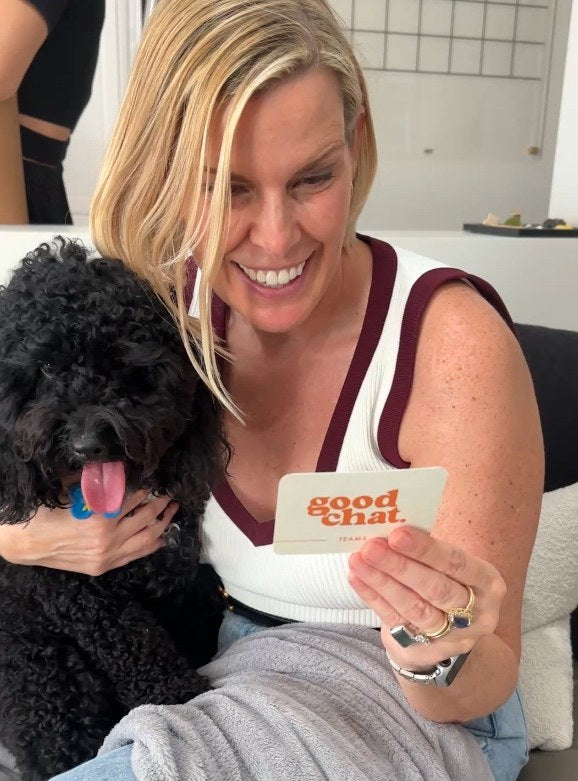


Your parents are getting older. You have noticed. They have noticed. And by unspoken family agreement, everyone has decided to handle it the traditional way: never mentioning it, and hoping the future sorts itself out.
The future, for the record, has never once sorted itself out.
Why do we avoid the conversation until it’s urgent?
Because it feels like a betrayal of the natural order. They looked after you; discussing their care feels like demoting them. Nobody wants to hand their mum a conversation that sounds like a form. And parents dodge it too, not from denial, but to protect you from a sad afternoon.
So the conversation waits for a crisis, and crisis is the single worst moderator a family can hire. Decisions made in hospital corridors by exhausted, frightened people are guesses. Decisions made over a cup of tea are wishes.
Have the conversation while it’s a cup of tea, not a hospital corridor.
We had every conversation with Dad except the one about what he would have wanted at the end. I have spent years wishing I could go back and ask. Ask while asking is easy.Ness, founder of Good Chat
How do you open it without the clipboard?
- Lead with their wishes, not their decline. “I want to make sure that whatever happens, we’d get it right for you. Can we talk about what right looks like?” It is respect, not paperwork.
- Make it several small chats, not one summit. One thread over Sunday lunch, another on a drive. Small doses keep it human, and give everyone room to think between rounds.
- Mix the practical with the personal. Wills and powers of attorney matter, but so does “what does a really good year look like for you now?” The future is not only logistics. It is also what they are still looking forward to.
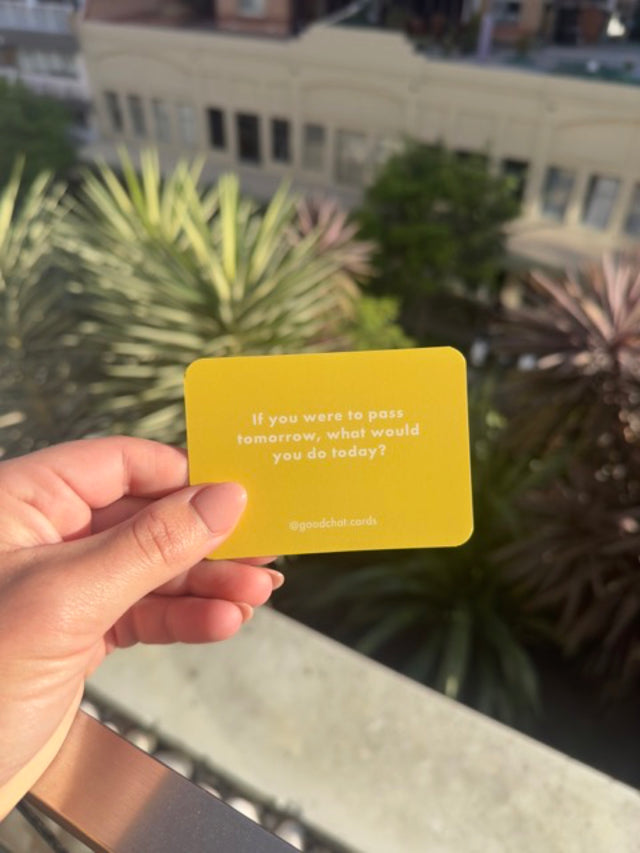
What does a really good year look like for you now?
What do you get for being brave early?
Peace, mostly. Theirs, because someone finally asked instead of assuming. Yours, because whatever comes, you will be executing their wishes rather than guessing at them. And a strange bonus nobody warns you about: some of the best conversations you will ever have with your parents live on the other side of this one.
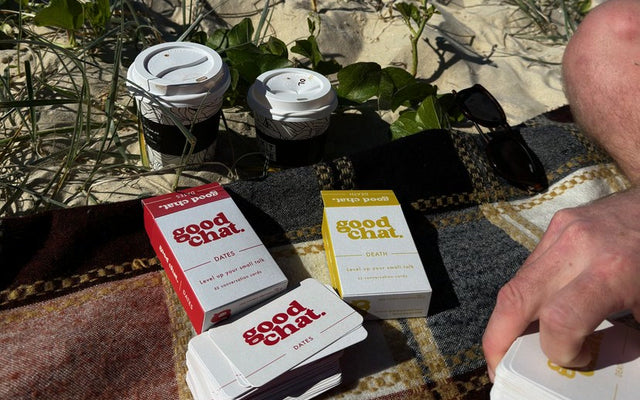
Used this with my parents who are in their 70s. It opened up conversations about end of life planning that we had all been avoiding. We all feel better for having had them.Fiona, in a five-star review of the Death deck
You do not need the perfect moment. You need a kettle, an hour, and one honest question. The rest of the conversation has been waiting for years. It knows the way.